


Building alternatively: how GSE preserves and regenerates life – before even breaking ground
Soil biodiversity: the unseen but critical issue
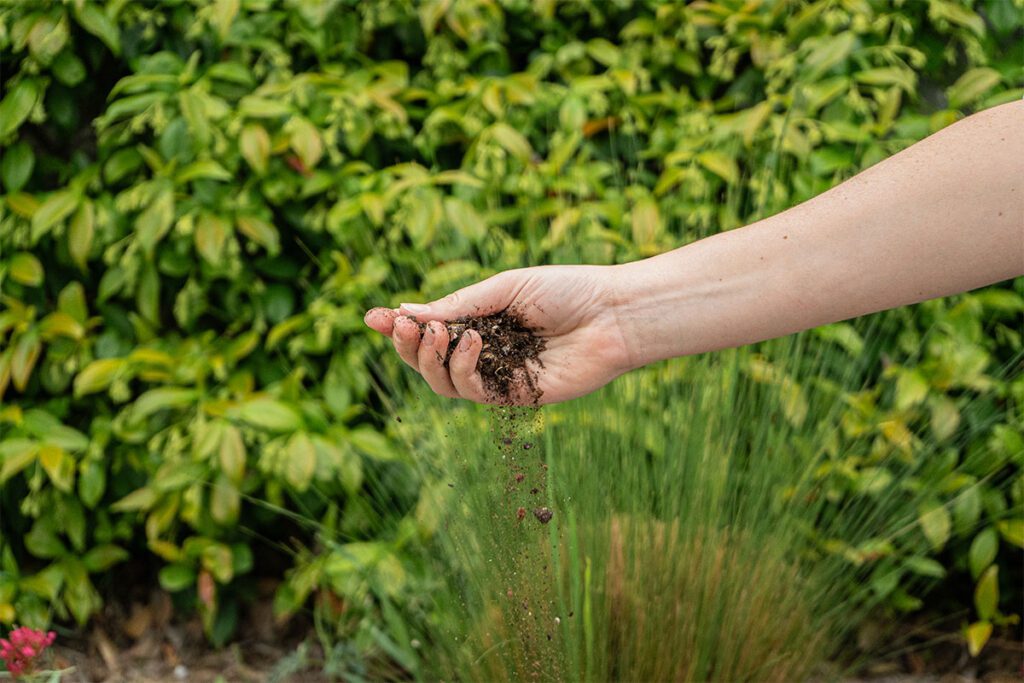
Invisible and ignored beneath our feet, the soil is Mother Nature’s treasure trove. It is home to 59% of the world’s biodiversity. It plays a vital role in carbon sequestration, water regulation and temperature moderation. However, this living, writhing wealth is under serious threat from creeping urbanisation and surface sealing. Faced with this challenge, the construction industry must reinvent itself to mitigate its environmental impact – and actually play a major role in protecting & revitalisating ecosystems.
At GSE, we have made biodiversity a strategic pillar of our construction projects. As a general contractor, our commitment is clear: to integrate effective and measurable solutions at every stage of our designs. Building well today means laying the foundations for a future where economic performance goes hand-in-hand with respect for the living planet.
A stockpile of life under threat
The soil is so much more than a place to build our home. It’s a living environment that is essential to global biodiversity. In fact, most microorganisms, animals and plants live underground. Yet we bury these ecosystems under concrete and asphalt. Every hectare that is sealed off sees its biological functions extinguished, depriving the environment of essential services such as carbon storage (up to 74 tonnes per hectare) and water retention (up to 3,750 m³ per hectare).
Surface sealing’s environmental impact
Natural soils act like sponges. They absorb & filter water, reducing the risk of floods. However, sealing them off has the opposite effect: it leads to the saturation of stormwater systems, the creation of heat islands and the destruction of their ability to sequester CO₂ (1 tonne per hectare per year). With the right strategies and solutions, we can preserve these ecosystem services without compromising the performance of industrial and logistical networks. Minimised soil sealing, appropriate construction techniques and better integration of ecological functions now make it possible to combine economic development with environmental responsibility.
Ecological assessment: a crucial step prior to construction
Understanding the site before breaking ground
An ecological impact assessment is essential to understand the soil’s characteristics and biodiversity before commencing any construction work. It distinguishes two types of soil:
- Healthy soil, which plays an active role in the environment thanks to its biodiversity (wetlands, microfauna, hedgerows, etc.). Offering invaluable services free of charge, it stores carbon, absorbs stormwater, regulates the climate and supports life.
- Degraded soil, which provides little or no functions. Once sealed or compacted, the soil becomes a burden. It no longer absorbs anything, it overheats and it releases its carbon. We move from a natural infrastructure to a source of risks (flooding, heat islands). It will take centuries after this destruction for the soil to regain its full functionality.
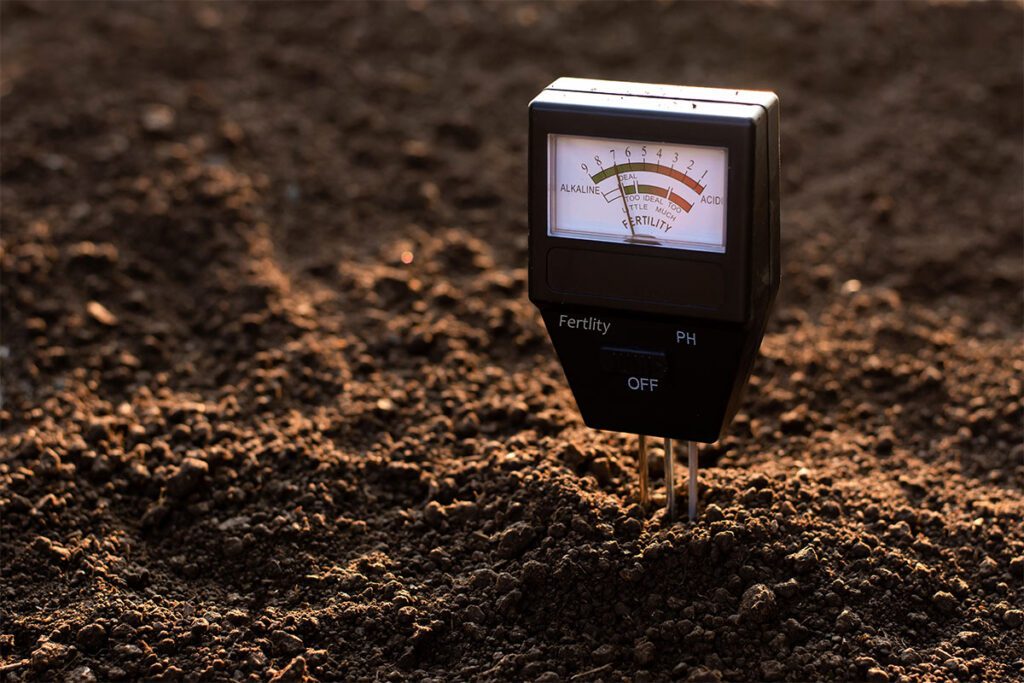
The GSE approach: surveys that tune in to nature
From the sales phase onwards, and prior to any design work, our environmental engineer carries out a detailed site assessment. This enables us to adapt the project to the specific characteristics of the local wildlife, to protect existing ecological corridors and to include features that preserve & support existing species.
“The assessment is the first step in risk mitigation. It is not about finding ‘the little protected flower that blocks the project”, but about understanding the site’s natural operation and the services provided by biodiversity that are beneficial to the project.” Thomas Gleize, Contaminated Sites and Soils Manager at GSE
At GSE, we don’t just check the Assessed box. Our “4 Seasons” ecological survey monitors the site over a full year, accurately measuring soil health, the species’ development and their behaviour according to biological cycles. For example, orchids can only be detected in summer, some bats are only active at night, etc.
Carrying out these in-depth assessments enables us to plan work intelligently. For instance, we may avoid trimming hedges during the nesting season and will incorporate specific conservation measures if protected species are discovered.
This approach produces ecologically viable projects, while minimising the risk of unexpected project delays if a protected species is discovered. It acts as insurance against the unexpected.
Turning observations into practical solutions
Listing species is not enough. At GSE, each assessment is translated into ecosystem services to develop tailored solutions:
- Flora, as an indicator of soil quality, helps to identify natural habitats and wetlands, or to detect a decline in biodiversity.
- Fauna – including birds, amphibians, insects, mammals, etc. – points us to additional developments that preserve ecological corridors while ensuring the site remains functional.
Wetlands: a vital heritage in need of protection
This is the most sensitive and most ‘black-and-white’ aspect of construction.
The critical functions of wetlands
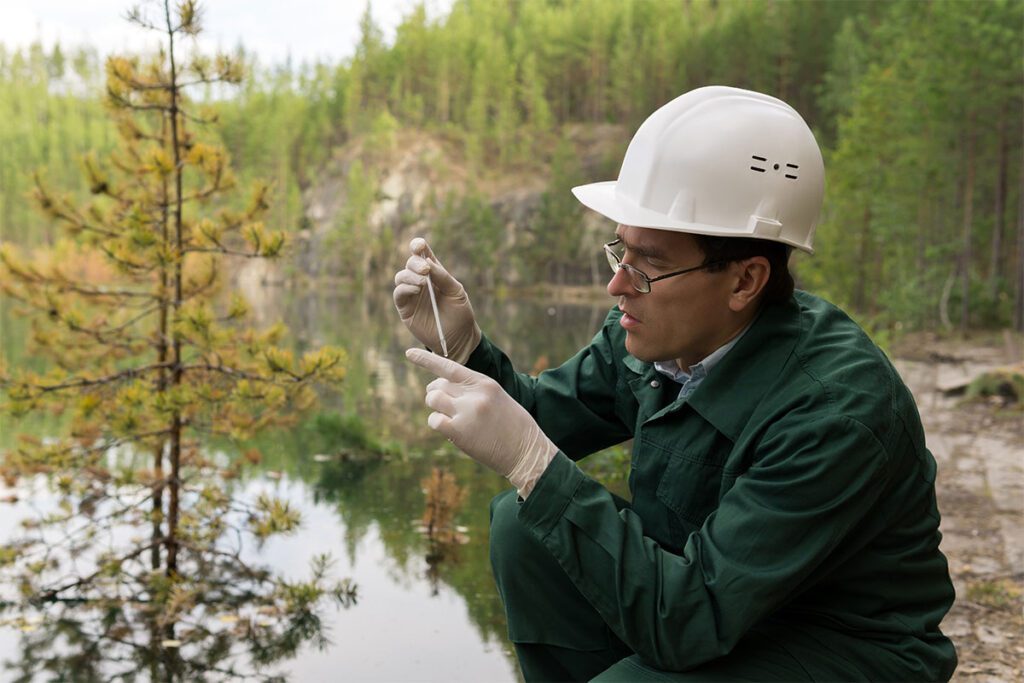
Legal definition: A wetland is defined as an area – cultivated or not – that is permanently or regularly flooded or saturated with fresh, salt or brackish water, or where the vegetation is dominated by moisture-loving plants for at least part of the year.
Wetlands play an irreplaceable role in ecosystems: they act as natural buffers against flooding, while filtering water. However, when these areas are destroyed, their services disappear. Instead, risks increase: rising dampness, overburdened networks or costly mechanical water management.
Conserving to avoid costly compensation
The destruction of a wetland triggers strict compensatory measures. In France, these compensation ratios range from 150% to 300% of the area destroyed. These obligations, spanning periods of 10 to 99 years, underscore the importance of preserving these areas right from the assessment phase.
Identifying and analysing a site’s ecological potential is no longer just an option; it’s an absolute necessity. Whether to preserve wetlands or to protect vulnerable species, an ecological impact assessment provides a strong regulatory safeguard. Having a precise understanding of a site’s ecological value enables projects to be designed in harmony with their environment. It also protects planning permissions against potential appeals and ensures the sustainability of the investments made.
Today, the success of a project is directly linked to the preservation and good health of living soils.
“By incorporating this expertise from the outset, we place soil knowledge at the heart of construction decision-making.”
– Thomas Gleize, Contaminated Sites & Soils Manager, GSE
Redeveloping brownfields: an urban strategy for the future
Unsealed & revitalised
Anti-urban sprawl regulations are getting stricter in developed countries. In France, the Zéro Artificialisation Nette (ZAN) policy aims for zero net land take by 2050. In this context, regenerating urban and industrial brownfields has become a top priority. Rather than using up more agricultural or natural land, GSE relies on tools such as UrbanSimul and Cartofriches to identify already degraded sites (former factories, car parks, etc.) and to redevelop them responsibly.
Lower costs thanks to refurbished & pooled infrastructures
Repurposing developed land brings many benefits. Existing networks (electricity, rail & roads, etc.) can be upgraded, reused and expanded, reducing development costs and timeframes. Clustering activities in these areas also optimises land use, maximising its potential while minimising the environmental impact.
Multi-storey construction: innovation meets sustainability
Multistorey developments on brownfield sites are undoubtedly the construction industry’s prime example of technology at the service of both the environment and cost effectiveness. This approach minimises land take by utilising sites where ecological functions are already limited or non-existent – providing zero ecosystem services.
- Environmental responsibility and financial yield go up: Building upwards on a degraded site significantly increases storage capacity while minimising the facility’s footprint. By doubling the height, the pressure on the ecosystem is halved and opportunities for renaturation in the vicinity of the buildings are multiplied.
GSE has demonstrated this model’s viability through the multistorey platforms already completed in Gennevilliers (Paris suburbs), Augny (near Metz) and Hamburg (FourParx). These projects serve as benchmarks in the field.
- A threefold environmental and financial benefit: Building a multistorey warehouse on a former brownfield site not only gives a new purpose to a so-called wasteland, it also preserves the sensitive natural areas identified in the initial assessment. At the same time, it offers the opportunity to restore sometimes very large areas to their natural state. For instance, GSE created ecological ponds for water management at the exemplary LA FACTORY project for AEW – Stonehedge in Bondy, Greater Paris.
This innovative solution perfectly illustrates how environmental considerations can lead to appropriate technical decisions.
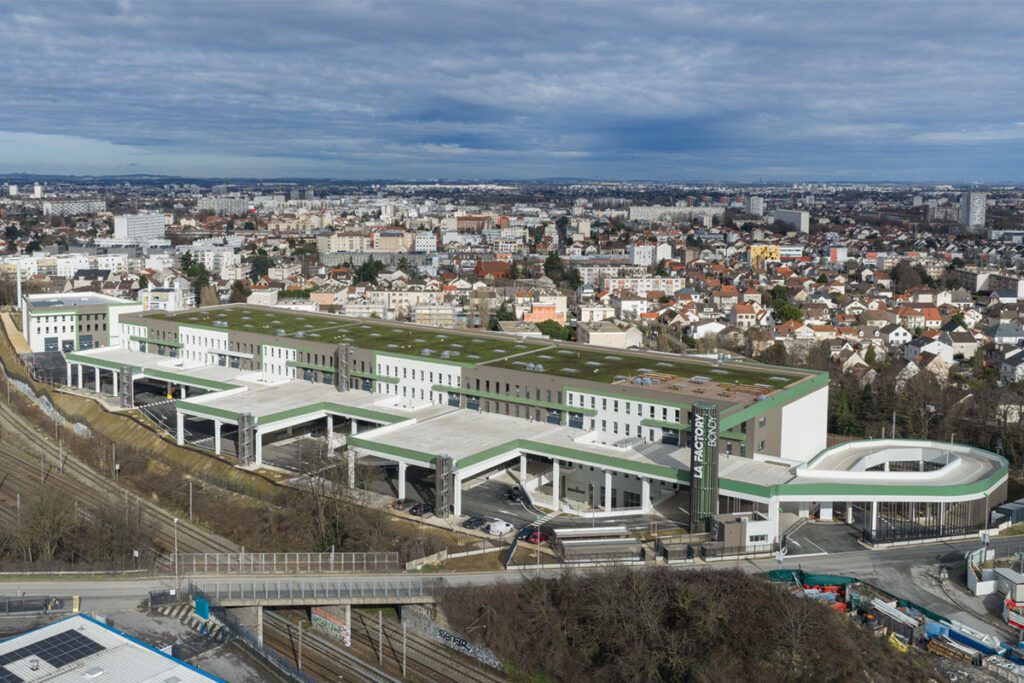
Crédit : @GSE
La Factory AEW Stonehedge Bondy
Building in tune with nature to safeguard our future
Understand, locate, take action: ecological impact assessments identify what needs to be preserved, while registries of brownfields guide us to suitable sites and multi-storey facilities offer practical solutions. By suggesting options for vertical development on already degraded land, GSE turns logistics into both an economic driver and a catalyst for ecological conservation.
A site’s biodiversity is not a constraint, quite the contrary. It’s a resource and a vital foundation for designing sustainable projects. Building high on brownfield sites is a bold and responsible choice, allowing healthy soils to play their essential role to the full – beneath our feet, not beneath concrete slabs.
Every stage of a project – from the choice of site to the architecture, from materials to landscaping – offers opportunities to reduce its environmental footprint and contribute to the regeneration of biodiversity.
When we build differently, we prove that innovation, environmental responsibility and economic performance go hand in hand. For beneath every project lies soil teeming with life. Smart construction today is our commitment to protecting the future of our planet for the generations to come.

