

Rethinking logistics platforms & warehouses to generate environmental, social and economic value
Logistics has long been seen as an activity with a heavy environmental footprint. But the sector has undergone a profound transformation over the years. Beyond storage and transit, it takes a vital role in driving the economy. Logistics networks are now recognised as a powerful source of value creation and a key factor in regional development. This change in perception doesn’t stem only from greener transportation, handling and storage of goods. Indeed, the design of modern logistics facilities now takes a global, sustainable and inclusive approach to generate positive environmental, social and economic impacts.
The role of logistics platforms & warehouses has evolved. As optimised and connected hubs at the heart of local economic ecosystems, they have become strategic facilities that contribute to innovation and the green transition.
Crédit : GSE
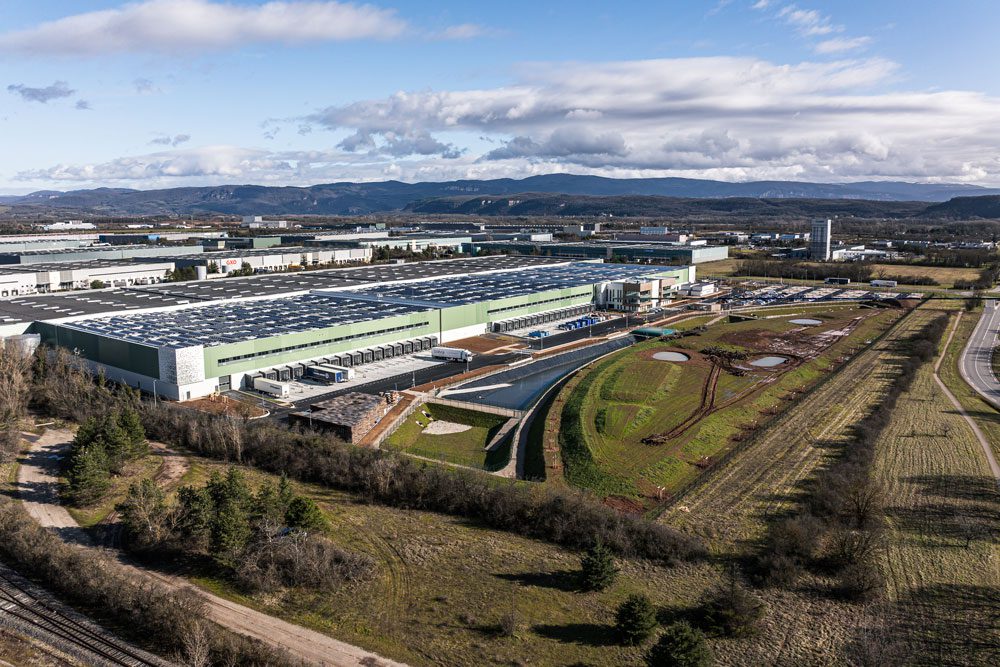
At GSE, a leading general contractor in commercial real estate, we design & build logistics facilities tailored to the needs of businesses and communities. Drawing on the expertise we gained over the decades, we offer personalised solutions that combine sustainability, energy efficiency and space optimisation, while complying with – or exceeding – environmental requirements. As leaders in construction for shippers, logistics providers, carriers and speculative developers, we are committed to meeting the challenges of tomorrow and supporting stakeholders in moving towards responsible, integrated logistics that generate sustainable value.
Sustainable buildings that serve the local community
The transformation of logistics real estate requires exemplary building design that minimises buildings’ carbon footprint – from the first stone laid to the end of their lifecycle. Beyond the functional & economic needs of businesses, these facilities must also blend into their natural, social and urban environments. Every construction project therefore requires a sustainable & responsible vision that delivers positive change on several levels.
Environmental certificates: seals of excellence and sustainable investment
Environmental certificates, such as BREEAM, LEED, HQE and other labels, play a fundamental role in the design of modern buildings.
They guarantee that the building is designed for environmental performance and incorporates green solutions across several areas: energy efficiency, carbon reduction, biodiversity conservation, user comfort, and the minimisation of construction sites’ impact. These certificates are not merely marketing tools; they are genuine investments that guarantee long-term savings and enhance the appeal of logistics sites.
Obtaining these labels and certificates helps to raise awareness amongst stakeholders, gain support from decision-makers and meet the increasingly tough requirements of EU and international regulations.
Sustainable, high-performance materials for the future
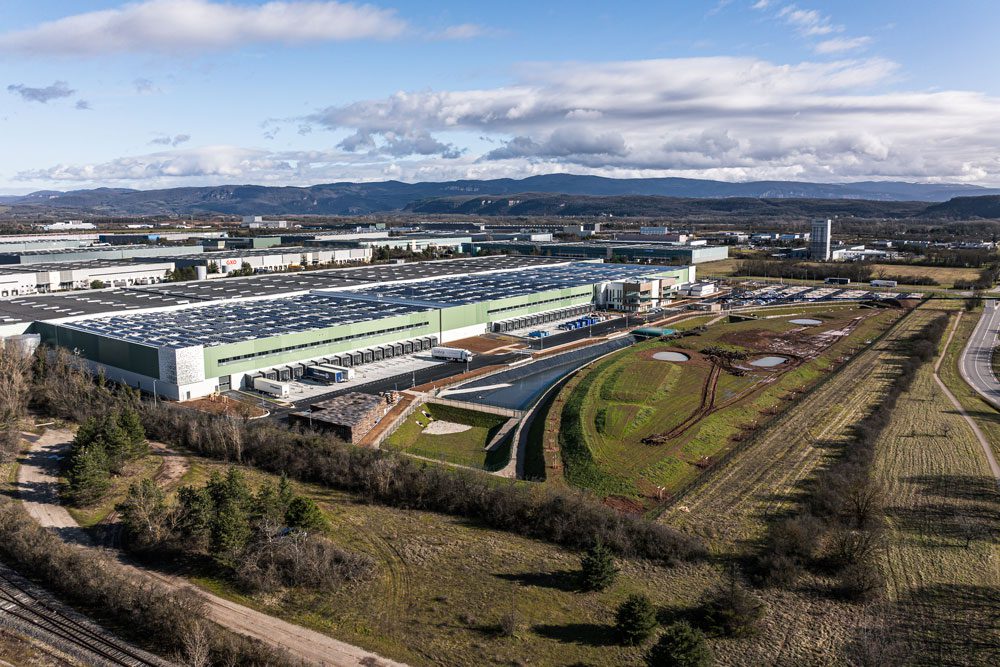
The choice of materials plays a decisive role in reducing the carbon footprint of a logistics facility. By choosing bio-based, recycled or low-impact materials, builders achieve two goals: to reduce the project’s environmental impact from the very start and to optimise the building’s performance in operation. In addition, some innovative solutions help to capture carbon.
Crédit : GSE
Furthermore, a responsible approach to construction extends beyond the choice of materials. We pay greater attention to the management and recycling of construction site waste, as well as to the implementation of low-impact site practices to prevent any pollution of the soil and natural resources. Indeed, we consider a logistics platform’s sustainability as a whole – from its design right through to its day-to-day operation.
A logistics building that blends into its surroundings
The value of a logistics project is not based solely on its operational performance: it must also integrate seamlessly into the community and landscape. As a tool for business management, a logistics building’s design should also drive sustainable development and support community acceptance – by meeting the expectations of local authorities, residents and business stakeholders.
Rethinking regional integration: solutions to meet expectations
Promoting sustainable, low-carbon transport
A modern logistics hub must promote alternative, sustainable and environmentally friendly modes of transport. This means providing specific amenities that support the transition to low-carbon transport solutions – such as safe access paths for bicycles, dedicated parking spaces and electric vehicle charging points.
These features help to reduce greenhouse gas emissions, particularly those associated with employees’ commutes. They also contribute to improving air quality, reducing environmental impacts and promoting more eco-friendly habits. Included at the design stage, they turn the building into an active contributor to the region’s energy transition and to its users’ wellbeing.
Low-impact construction sites
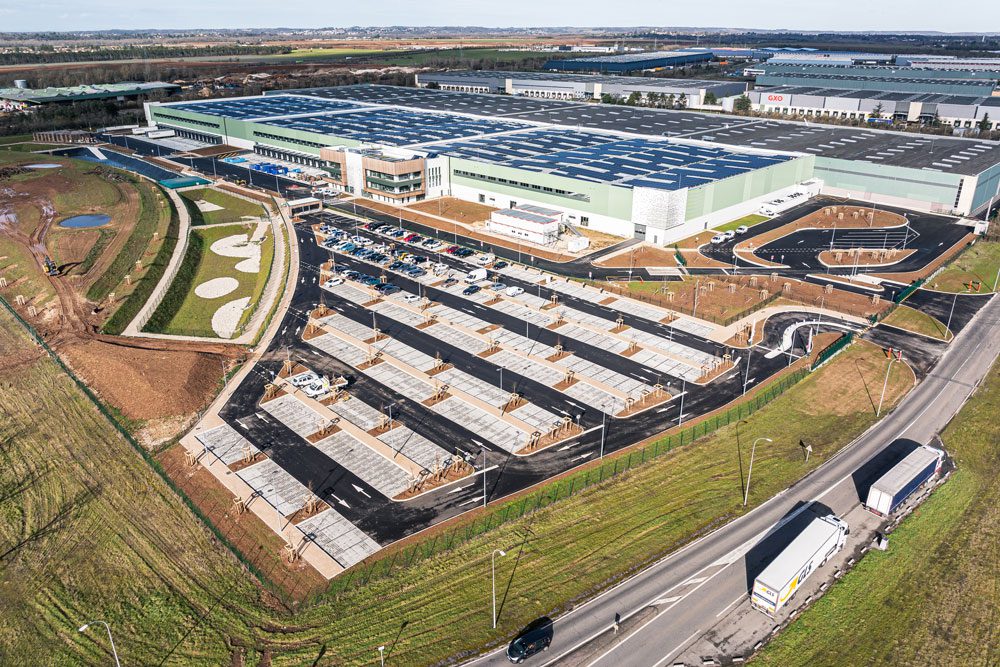
The construction phase is crucial to ensure a logistics building’s acceptance and successful integration. A low-impact construction site takes a responsible approach that minimises inconveniences and protects the environment. This includes:
- Minimising physical nuisances – such as noise, dust and disruptions caused by heavy vehicle traffic – in the surrounding residential areas.
- Optimising waste management, with systematic sorting and the use of local recycling schemes to limit the volume of waste sent to landfill.
- Reducing carbon emissions by promoting clean or collective transport for the delivery of materials, and by using low-emission construction machinery.
Crédit : GSE
As well as minimising the project’s environmental impact from the beginning of its lifecycle, this responsible approach helps to increase its acceptability among stakeholders. It is part of a commitment to sustainability and a desire to improve relations between the logistics site and local stakeholders.
Purchasing locally – and giving the regional economy a boost
In addition to the environment, an integrated logistics project should also create positive externalities for the local economy. By prioritising short supply chains and dealing with local contractors for construction work and services, the logistics platform strengthens its ties to the local business community.
This approach is based on several key elements:
- promoting local employment by relying on skills available in the region
- capitalising on regional expertise, craftspeople and SMEs for services, materials and the day-to-day operation of the sites
- boosting the local economy through investments that create a virtuous circle, in which the project’s economic performance goes hand in hand with a positive and lasting impact for local stakeholders.
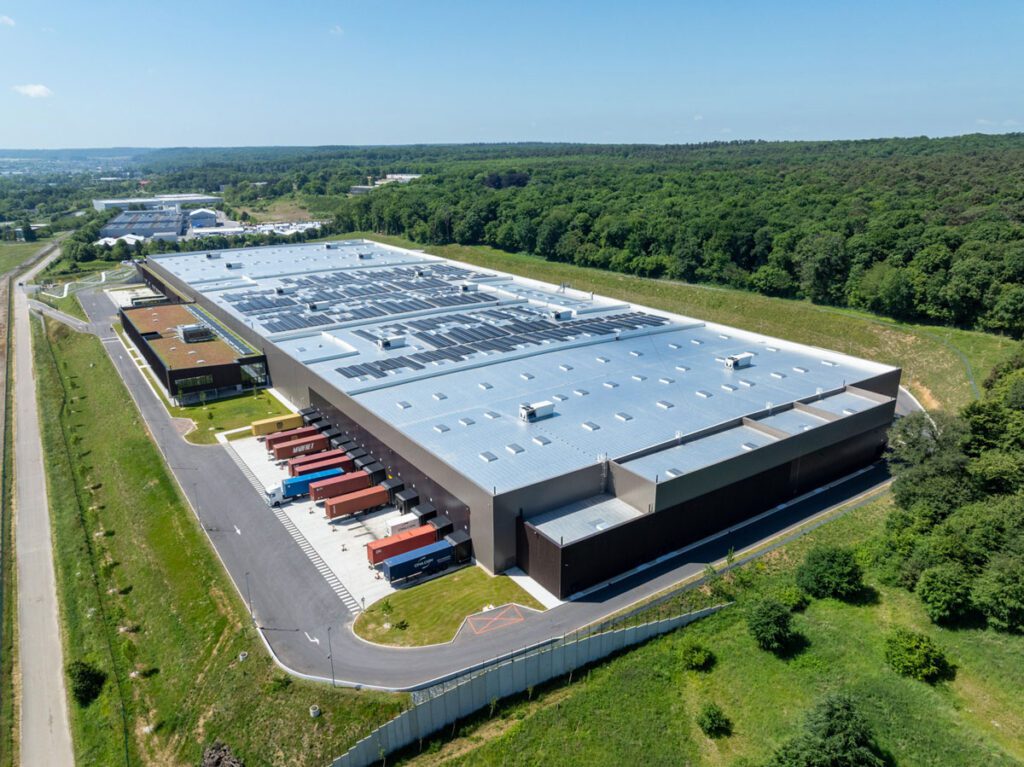
Collaboration with stakeholders strengthens the logistics facility’ integration into the local social fabric, while contributing to the region’s economy. It also helps to increase the project’s acceptability by highlighting its role in actively supporting regional development.
Crédit : GSE
Logistics that creates value for all
The logistics sector plays a strategic role in regional economic revitalisation. Today, it is emerging as a key driver of the ecological, economic and social transition. Beyond the mechanics of operational optimisation, it is evolving towards a holistic vision that focuses on current sustainable development challenges.
By rethinking logistics platforms and warehouses as sustainable & responsible facilities, the sector is moving beyond its traditional functions. It is reducing its carbon footprint while generating positive impacts on the economy, employment and cooperation with local communities. In addition to optimising performance, it creates value for all by reconciling environmental, economic and social challenges, paving the way for a sustainable model that benefits both businesses and communities.
By integrating these dimensions, logistics become a key driver of transformation in building resilient, attractive and connected regions that serve both present and future generations.

