


Logistics are changing – and so is fire safety
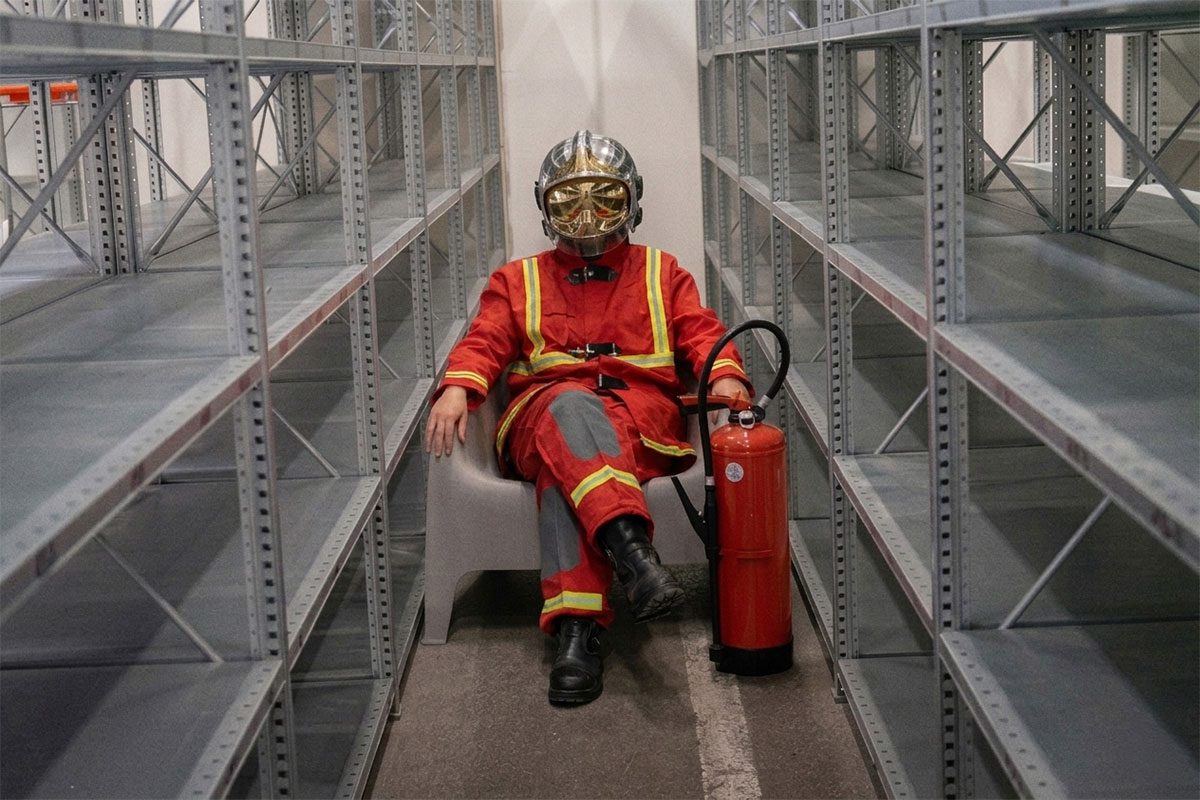
The logistics sector is undergoing a major transformation. With less land available for development, operators are making maximum use of space and relying increasingly on automation. These trends are redefining warehouse design, particularly through the emergence of multi-storey and high-density facilities. But what of their impact on fire safety? In addition to regulatory standards, warehouse designers must integrate advanced engineering features and address the requirements of insurance companies.
Every year in France, around 4,300 fires break out in warehouses and industrial premises. During inspections, 80% of sites are found to fail compliance with fire safety standards. The consequences are critical: 70% of the businesses affected do not survive a major fire. Indeed, fire safety is not only a matter of regulatory compliance: it’s a strategic commitment to ensure the long-term viability of logistics assets.
The rules only get stricter
In France, the decree of 5 August 2022 imposed stricter standards for warehouses subjected to the ICPE environmental & health classifications. Key provisions include: a limit on the size of storage units (generally 6,000 m², with possible adjustments), a requirement for fire resistance in fire walls and structures (REI 120 rating), smoke extraction systems sized according to the size of the fire, and the generalisation of automatic fire extinguishing systems.
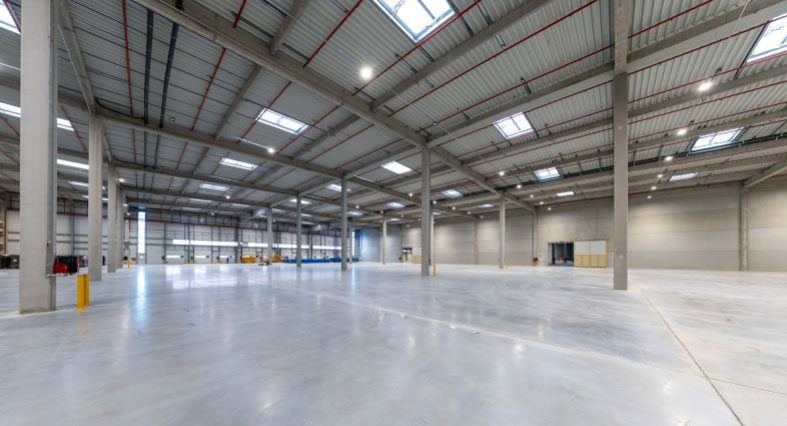
Between 2024 and 2026, the major trends have continued:
– A growing emphasis on fire safety engineering, including computational fluid dynamics (CFD) simulations and modelling of heat & smoke flows.
– Greater consideration of specific fire loads associated with e-commerce, the storage of plastics and the use of batteries.
– Stricter requirements from insurers (APSAD and FM Global standards), which are often more stringent than regulations.
– Rigorous monitoring of the maintenance and traceability of safety systems, with increased requirements during the operational phase.
In practice, logistics projects planned for the medium term are systematically designed to comply with both regulatory and insurance requirements, while also meeting the operator’s specific needs.
Multi-storey warehouses: tomorrow’s normal?
The development of multistorey warehouses – still in their infancy in France but growing rapidly – brings with it a number of challenges. By stacking flows and increasing storage density, these buildings increase the fire load and make potential firefighting operations more complex. In such settings, automatic fire-extinguishing systems – now over 95% reliable – have become essential.
Increased specific risks
Compared to conventional, horizontal buildings, multistorey warehouses involve additional challenges. The overlapping movement of staff, equipment and goods, the faster & more complex vertical spread of fire and smoke, difficult conditions for emergency services to operate in, as well as greater challenges during evacuation – made both longer and more hazardous – present additional risks that designers must factor in.
Appropriate technical measures
To address these risks, specific fire safety measures must be incorporated:
– Compartmentalisation: both vertical and horizontal, with fire-resistant walls extending between floors and special provisions for ramps, floor openings and conveyors.
– Enhanced automatic fire suppression: widespread use of early suppression fire response (ESFR) or high-density sprinklers, installation of intermediate sprinklers within racks, and redundancy in water supply systems. The cost of a fire incident is up to six times higher in a building not equipped with sprinklers.
– Smoke management: independent smoke extraction per floor, appropriate compartmentalisation systems and consideration of the effects of vertical thermal draught.
– Accessibility for emergency services: fire access routes suitable for high-rise buildings, multiple dedicated access points per floor and the possible inclusion of refuge zones.
The lack of a harmonised regulatory framework for these buildings in France means that projects must be approved on a case-by-case basis, often in coordination with local authorities (fire & rescue services, environmental & planning departments) and insurers.
New technological and energy risks
Developments in modern warehousing are introducing significant new risk factors:
– Lithium-ion batteries: used in forklift trucks, robots (AGVs/AMRs) and storage areas, these pose risks of thermal runaway that are difficult to control, requiring ventilated and compartmentalised areas.
– Automation and robotisation: in high-bay and multi-storey buildings, storage density increases and human visibility decreases. Automatic monitoring and fire safety systems are all the more crucial.
– High fire loads: e-commerce-related storage (multiple SKUs, plastic packaging) is growing and evolving rapidly, making it difficult to reconcile the initial warehouse design with its actual use.
A comprehensive approach for enhanced security
In 2026, fire safety is considered as part of a broader management policy, comprising several key elements:
1. Integrated design: fire engineering is now “designed in”, in close coordination with logistics processes and automated systems.
2. Controlled operations: warehouse operators and users must adhere to projected storage scenarios, rigorously maintain safety equipment and provide ongoing training to staff.
3. Operational resilience: mechanisms are put in place to limit operational losses, ensure a rapid restart following an incident – and meet the expectations of both insurers and investors.

Greater densities, taller structures and increased automation in warehouses are revolutionising fire risk management. Fire safety is now a highly technical challenge, as well as a key criteria for insurability and an essential factor in the long-term viability of logistics assets.
For players in logistics real estate, fire safety is no longer merely a regulatory requirement. It’s a key driver of overall feasibility, especially for multi-storey projects.

